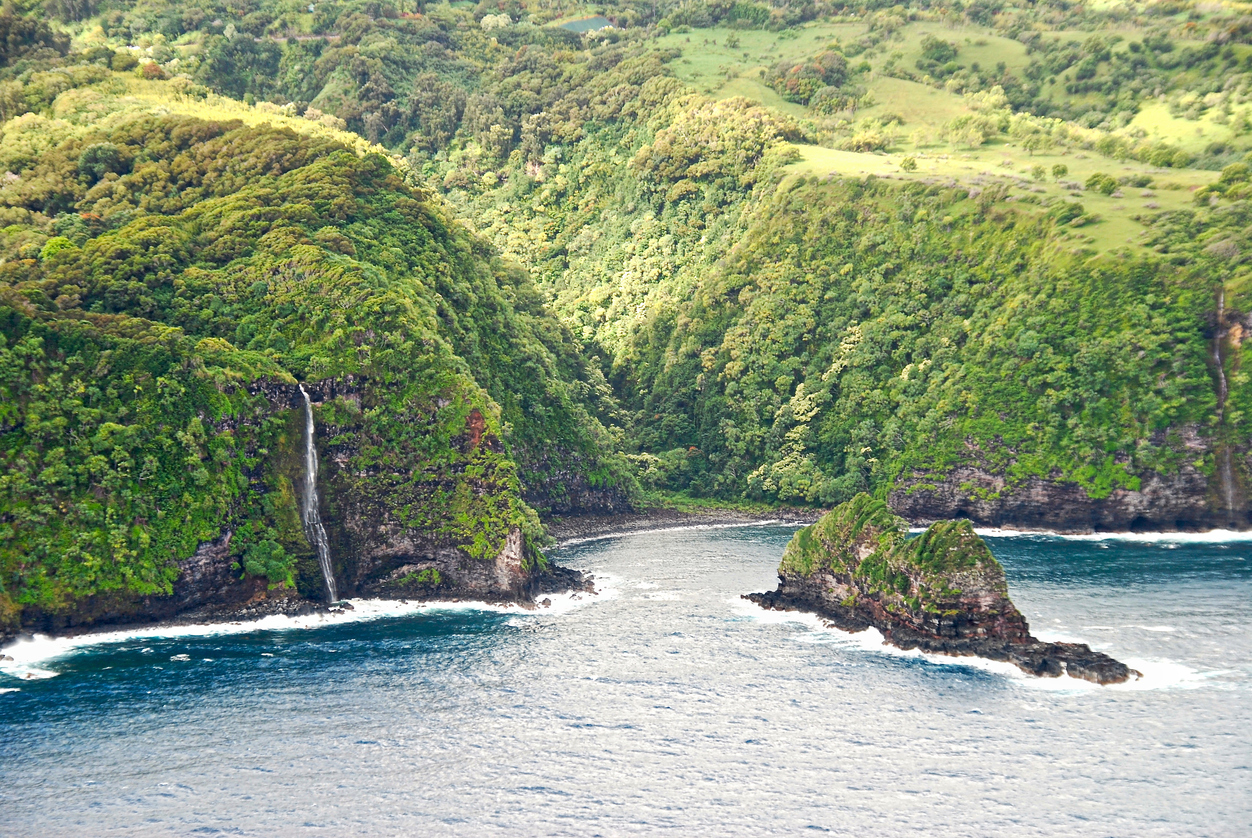
History of Hawaii Real Estate
The history of Hawaii's real estate market is inevitably linked to the Great Mahele of 1848, a watershed event that fundamentally transformed land ownership across the Hawaiian Islands. Prior to Western contact, land in Hawaii operated under an ancient system where all property belonged to the king, who allocated parcels to chiefs and commoners based on a complex hierarchical structure. This traditional land tenure system, known as the ahupuaʻa system, divided land into pie-shaped sections that typically extended from the mountains to the sea, ensuring each community had access to various ecological zones and resources necessary for self-sufficiency.
The Great Mahele, initiated by King Kamehameha III, marked Hawaii's transition to Western concepts of private property ownership. This massive land division allocated approximately one-third of lands to the Hawaiian monarchy (crown lands), one-third to the government, and one-third to the chiefs (konohiki). The subsequent Kuleana Act of 1850 allowed commoners to petition for ownership of land they actively cultivated. However, the combination of unfamiliar Western legal concepts, procedural hurdles, and filing fees resulted in only a small percentage of Native Hawaiians successfully securing land titles. The consequences were profound and long-lasting—within a generation, large portions of Hawaiian land transferred to foreign ownership, particularly American sugar plantation interests, establishing patterns of land control that continue to influence Hawaii's real estate landscape today.
Fee Simple vs. Leasehold: Dual Ownership Structures
Hawaii's unique real estate market operates under two primary ownership structures: fee simple and leasehold. Fee simple ownership, the most comprehensive form of property ownership in American law, grants complete and perpetual rights to the land and any structures upon it. This ownership type allows property to be bought, sold, or transferred without restriction and represents approximately 60% of Hawaii's residential real estate. The prevalence of fee simple ownership increased significantly following Hawaii's statehood in 1959, as many large landholders, including the estates of former Hawaiian royalty and sugar plantation companies, began divesting their extensive land holdings. Leasehold ownership, the second major structure, separates the ownership of land from the structures built upon it. Under leasehold arrangements, buyers purchase buildings or improvements but lease the underlying land for a specified period, typically 55 to 99 years, paying ground rent to the landowner. This system emerged from Hawaii's post-Great Mahele concentration of land ownership, where a small number of estates and corporations controlled vast tracts but were willing to lease rather than sell outright. The Bishop Estate (now Kamehameha Schools), the Queen Emma Foundation, and the Campbell Estate became prominent leasehold land owners. While leasehold properties typically sell at lower prices than comparable fee simple properties, their value diminishes as lease terms approach expiration, creating unique market dynamics. Since the 1980s, legislation has enabled many leasehold residential property owners to convert to fee simple through lease-to-fee conversion laws, though this remains a complex and sometimes contentious process.
Hawaii Beachfront Real Estate: Premium Paradise
Hawaii beachfront real estate represents some of the most coveted and expensive property in the United States, commanding premium prices due to limited supply, extraordinary natural beauty, and consistent global demand. The development of Hawaii's beachfront areas accelerated dramatically in the tourism boom following World War II and statehood, transforming coastlines like Waikiki from wetlands to high-density resort areas. The neighboring islands experienced similar, if somewhat less intensive, coastal development patterns in subsequent decades, with Maui's Kaanapali and Wailea, Kauai's Poipu, and the Big Island's Kohala Coast emerging as luxury enclaves. Hawaii's beachfront property market is characterized by extreme price stratification, with ultra-luxury properties routinely selling for tens of millions of dollars. Notable transactions include Mark Zuckerberg's acquisition of 700 acres on Kauai for over $100 million and Jeff Bezos's purchase of multiple properties on Maui. Beyond the raw real estate value, Hawaii beachfront properties hold particular appeal for wealthy buyers seeking both investment opportunities and lifestyle enhancements in a politically stable U.S. state with favorable climate conditions. However, this premium market faces significant challenges, including coastal erosion accelerated by climate change, increasing hurricane and tsunami risks, and rising insurance costs—factors that may reshape beachfront value propositions in coming decades.
Regulatory Framework and Public Access
Hawaii's real estate market operates under distinctive regulatory conditions that reflect both its unique history and contemporary environmental priorities. The Hawaii State Constitution explicitly guarantees public access to all beaches below the high-water mark, meaning that unlike many mainland locations, no beach in Hawaii can be fully privatized. This constitutional protection coexists with some of the strictest coastal development regulations in the United States, including significant setback requirements, environmental impact assessments, and historic preservation considerations. The State Land Use Commission's four-category land classification system (Urban, Rural, Agricultural, and Conservation) introduces additional layers of development oversight absent in most other states. These regulatory frameworks emerged partly in response to rapid coastal development in the 1960s and 1970s, which threatened both environmental integrity and traditional access patterns. The landmark Hawaii Supreme Court case County of Hawaii v. Sotomura (1973) affirmed that beaches are public trust resources, establishing precedent for subsequent access rulings. While these protections ensure Hawaii maintains public shoreline access, they also contribute to the premium valuation of legally developable beachfront parcels by effectively constraining supply.
Contemporary Challenges and Future Directions
Today's Hawaii real estate market faces unprecedented pressures that reflect both global economic forces and localized concerns. Housing affordability has emerged as a critical issue across the islands, with median home prices exceeding $1 million on Oahu and approaching similar levels on neighbor islands—figures dramatically out of proportion to local median incomes. This disconnect has fueled an exodus of native Hawaiians and long-term residents unable to afford housing in their communities. Simultaneously, approximately 30% of Hawaii homes are now owned by non-residents, intensifying debates about tourism dependency, cultural preservation, and sustainable development. Climate change presents existential challenges to Hawaii's real estate market, particularly in coastal areas. Rising sea levels are accelerating erosion, with a 2017 Hawaii Climate Commission report projecting that over 6,500 structures near shorelines may be compromised by the end of the century. As Hawaii navigates these complex challenges, its real estate market continues to evolve within the distinctive historical, cultural, and environmental context that makes it unique among American property markets. However, 2025 Remains to be the year that all future projections will hopefully remain on a positive note when it comes to sustaining good value for those who purchased with the intention of holding onto their value little pieces of paradise.
12 Active & Available MLS Hawaii Luxury Estates for Sale
3735 Diamond Head Road, Honolulu $55 Million
508 N Kalaheo Avenue, Kailua $50 Million
4505 Kahala Avenue, Honolulu $45 Million
3735 Diamond Head Road, Honolulu $43 Million
810 Piiholo Road, Makawao $38 Million
3254 S Kihei Road, Kihei $31 Million
1711 Pee Road, Koloa $30 Million
3788 Ahonui Place, Princeville $30 Million
62-3680 Kiekiena Place, Kamuela $29.7 Million
72-3023 Kakapa Place, Kailua Kona $29.5 Million
:format(webp):quality(80)/u.realgeeks.media/keystosarasota/CheckMark1.png) Exclusive Data Available
Exclusive Data Available:format(webp):quality(80)/u.realgeeks.media/keystosarasota/signup1.png)
:format(webp):quality(80)/u.realgeeks.media/keystosarasota/Hawaiian_Islands_MAP_Homepage.jpg)
:format(webp):quality(80)/u.realgeeks.media/keystosarasota/cyomr1.png)
:format(webp):quality(80)/u.realgeeks.media/keystosarasota/Facebook.jpg)
:format(webp):quality(80)/u.realgeeks.media/keystosarasota/Instagram.jpg)
:format(webp):quality(80)/u.realgeeks.media/keystosarasota/Twitter.jpg)
:format(webp):quality(80)/u.realgeeks.media/keystosarasota/YouTube.jpg)
:format(webp):quality(80)/u.realgeeks.media/keystosarasota/Pinterest.jpg)
:format(webp):quality(80)/u.realgeeks.media/keystosarasota/LinkedIn.jpg)